

SEO Services That Drive Organic Business Growth
SEO Services to Improve Search Visibility and Generate Qualified Leads
Improve search visibility, attract relevant visitors, and turn organic traffic into business opportunities with SEO services from Quickway Infosystems. We assess your current performance, identify gaps, and build a focused SEO plan around your business goals.
-
 Technical SEO Audits and Fixes
-
Local SEO
-
On-Page SEO and Content Optimization
-
E-commerce SEO
-
Keyword and Intent Mapping
-
SEO Performance Tracking and Reporting
-
AI Search Optimization (AEO & GEO)
-
Content Strategy and Creation




Clients Trust Quickway Infosystems
Quickway Infosystems works with businesses to improve their search presence through structured SEO planning, technical improvements, content optimization, and performance tracking.
100+
Projects DeliveredReal products shipped from the MVP stage to scaled platforms
50+
Senior EngineersAI-powered team cutting software delivery time by 40%
15+
Countries ServedServing Businesses Across 15+ Countries Around the World
4.9
Rated on ClutchRecognized for quality, communication and delivery
When Businesses Need a Dedicated SEO Partner
Technical issues, weak content, or poor keyword targeting can limit organic visibility. SEO services identify these gaps and improve search performance.
You may need professional SEO support when:
-

Organic traffic has stalled: Your website receives little growth despite publishing new content.
-
Important pages do not rank: Service pages and product pages struggle to reach relevant search results.
-
Your brand is missing from AI answers: ChatGPT, Perplexity or Google AI Overviews recommend competitors when buyers ask about your services.
-
Technical issues affect crawling: Search engines cannot efficiently access or understand key pages.
-
Content attracts the wrong audience: Visitors arrive through keywords that do not match their needs.
-
Leads from organic search remain low: Traffic does not translate into enquiries, sign-ups, or sales.
Why Businesses Choose SEO Services
SEO requires more than adding keywords to website pages. Technical health, search intent, content quality, internal links, and user experience all influence how effectively a website serves its audience.
Quickway Infosystems delivers focused SEO improvements with clear goals and measurable outcomes.
Businesses work with us to:
-
Identify technical and content gaps that affect organic search.
-
Match website pages to relevant search intent.
-
Improve the structure and usefulness of existing content.
-
Build topic coverage around products, services, and customer questions.
-
Track performance through consistent reporting.
-
Connect SEO activity with business outcomes such as qualified traffic and enquiries.

SEO Services Offered
Our SEO services cover the technical, content, and strategic work needed to improve organic search performance. Each engagement begins with an assessment of your website, current visibility, and business objectives.


Technical SEO Audits and Optimization
Technical SEO helps search engines crawl, render, and index important pages. It also helps teams identify issues that can affect website usability and search performance.-
Technical SEO audits
-
Core Web Vitals and page performance analysis
-
XML sitemap and robots.txt checks
-
Canonical tag and redirect reviews
-
Crawlability and indexation reviews
-
Structured data implementation guidance
-
Website migration SEO support
Websites with indexing problems, large page inventories, migration plans, or recurring technical issues.
A prioritized list of technical fixes that supports better crawling, indexing, and website performance.
Assessment & Review — We review the current setup, identify high-impact issues, and recommend fixes based on their likely effect and implementation effort.
On-Page SEO and Content Optimization
On-page SEO improves how well individual pages address search intent and communicate their relevance to search engines and users.-
Title tags and meta description reviews
-
Heading and page structure optimization
-
Search intent mapping
-
Internal linking recommendations
-
Existing content updates
-
Content gap analysis
-
Image alt text and page element reviews
Websites with useful content that does not perform as expected, service pages with low visibility, or pages that need clearer topic coverage.
More relevant, useful pages with clearer structure and stronger alignment with target searches.
Assessment & Review — We evaluate target pages, identify content gaps, and recommend changes based on search intent and page purpose.
Keyword Research and Search Intent Mapping
Keyword research helps businesses understand what their audiences search for and which topics deserve attention. Search intent mapping connects those queries to the most appropriate pages.-
Keyword research
-
Search intent classification
-
Topic clustering
-
Keyword-to-page mapping
-
Content Opportunity identification
-
Competitor search visibility analysis
Businesses entering new markets, launching services, expanding content, or addressing keyword overlap across existing pages.
A clear content and page plan based on relevant searches and business priorities.
Assessment & Review — We assess existing keyword coverage, identify gaps, and map relevant opportunities to the right pages.
SEO Content Strategy and Creation
Useful content answers real questions, explains products or services, and helps visitors make informed decisions. A clear content strategy prevents duplication and keeps publishing aligned with business goals.-
Content strategy and editorial planning
-
Service and landing page content
-
Content briefs and outlines
-
SEO blogs and articles
-
Existing content refreshes
-
Topic cluster planning
-
Content quality and relevance reviews
Businesses that need stronger topic coverage, better service page content, or a consistent publishing plan.
A more relevant content library that supports discovery, education, and conversion.
Assessment & Review — We review existing content, audience needs, keyword opportunities, and publishing capacity before preparing a content plan.
Local SEO
Local SEO helps businesses improve visibility for relevant searches tied to a city, region, or service area. It supports discovery by people looking for nearby products or services.-
Google Business Profile optimization
-
Business information consistency checks
-
Local keyword research
-
Review management guidance
-
Local structured data recommendations
-
Local performance tracking
-
Local landing page recommendations
Service-area businesses, local retailers, clinics, hospitality businesses, and companies with physical locations.
Better local search coverage and clearer information for potential customers.
Assessment & Review — We review local listings, location pages, business details, and relevant search opportunities.
E-Commerce SEO
E-commerce SEO helps product and category pages become easier to discover, understand, and navigate. It also addresses technical issues common to large product catalogs.-
Product and category page optimization
-
Product description reviews
-
Faceted navigation and crawl management guidance
-
E-commerce content planning
-
Duplicate content checks
-
Product structured data recommendations
-
Internal linking improvements
Online stores with large catalogs, low product page visibility, duplicate URLs, or limited organic traffic to category pages.
Better search coverage across relevant product and category pages.
Assessment & Review — We examine site architecture, catalogue structure, indexation, and page-level opportunities before recommending changes.
SEO Reporting and Performance Analysis
SEO reporting connects completed work with changes in search visibility and website activity. It helps teams understand what is improving, what remains unresolved, and where to focus next.-
Google Search Console analysis
-
Google Analytics 4 performance reviews
-
Organic traffic and landing page reports
-
Keyword visibility tracking
-
Conversion measurement recommendations
-
Monthly performance summaries
-
Next-step recommendations
Businesses that need consistent reporting, clearer performance tracking, or better alignment between SEO activity and business goals.
A clearer view of SEO performance and the actions that deserve further attention.
Assessment & Review — We establish relevant baseline metrics, check tracking quality, and define reporting measures based on your objectives.
AI Search Optimization (AEO & GEO)
Buyers now ask ChatGPT, Perplexity, Gemini & Google AI Overviews before visiting a website. AI search optimization makes your key pages easy for these tools to access, understand & reference, using the same technical and content foundations as SEO.-
AI crawler access review (robots.txt, CDN and
firewall)
-
Clear, direct answers written for readers
-
Standard structured data that matches visible page
content
-
Brand and entity consistency across listings
-
AI visibility checks for priority queries
-
AI referral traffic tracking in GA4
Businesses whose buyers research with AI tools, or whose competitors appear in AI answers.
Key pages that AI search tools can access, understand and reference, with AI referral traffic measured alongside organic search.
Assessment & Review — We check how AI tools currently describe your brand and which competitors they mention, then fix crawler access and page structure first.

Ready to Identify Your Biggest SEO Opportunities?
Understand what is limiting your website's organic performance and which improvements deserve attention first.
-
Identify SEO issues affecting your website’s organic traffic
and search engine visibility.
-
Discover keyword opportunities to attract more relevant
visitors to your website.
-
Get actionable recommendations to improve rankings,
performance, and user experience.
-
Prioritize SEO improvements that deliver measurable results
and support long-term growth.
How Quickway Infosystems Delivers SEO Services
Our SEO process connects research, implementation, and performance review. Each stage has a defined purpose so your team understands what is being assessed, what needs to change, and how progress will be measured.

Website and Business Assessment
We review your website structure, existing content, organic search performance & business goals. This establishes a baseline & helps identify the issues affecting key pages.

Research and Opportunity Mapping
We analyze search intent, keyword coverage, competitors, content gaps & how AI search tools describe your brand. These insights identify relevant page & topic opportunities.

SEO Roadmap and Prioritization
We organize recommendations by impact, urgency, and implementation effort. The roadmap identifies technical fixes, content updates, and longer-term work.

Implementation and Optimization
We handle agreed SEO changes, page updates, content, and internal linking. Developer or client involvement is defined before implementation.

Measurement and Reporting
We monitor relevant search and website performance metrics, review completed work against defined goals, track results and identify areas that need further investigation, analysis and strategic adjustments.

Ongoing Improvement
We review search performance, audience behavior, and completed SEO activities to measure results, identify emerging opportunities, evaluate ongoing performance trends, and refine strategies for sustained organic growth.
Business Benefits of SEO Services
A structured SEO program can help businesses improve discovery, make better use of existing content, and build a stronger foundation for organic growth. Results depend on the website's current condition, competition, implementation, and time invested.
-
Greater search visibility: Improve the relevance and accessibility of pages for target queries.
-
More relevant organic traffic: Attract visitors whose searches align with your products and services.
-
Better content coverage: Address customer questions and search intent across key topics.
-
Improved website experience: Resolve technical issues and make important pages easier to navigate.
-
More informed decisions: Use search and analytics data to guide content and website changes.
-
Stronger measurement: Connect SEO work with relevant engagement and conversion metrics.
-
Long-term discovery opportunities: Build content and technical foundations that can continue supporting organic search.
-
Visibility in AI search: Help tools like ChatGPT and Google AI Overviews understand and reference your key pages.
How SEO Helps Your Business Grow
SEO activity should connect to a business goal. The right measures depend on your website, audience, and conversion model.
| Business Goal | How Quickway Helps |
| Increase organic visibility | Identify relevant search opportunities and improve target pages. |
| Attract qualified visitors | Map search intent to service, product, and informational pages. |
| Improve service page performance | Refine page structure, content relevance, and internal links. |
| Expand content coverage | Build topic plans around audience needs and keyword gaps. |
| Improve local discovery | Review local listings, location pages, and business information. |
| Support online sales | Optimize product and category pages and review catalog issues. |
| Improve conversion tracking | Assess analytics configuration and recommend relevant measurement. |
| Make better SEO decisions | Provide reporting, issue tracking, and recommendations for next steps. |
| Appear in AI-generated answers | Check AI crawler access, structure key pages with direct answers and schema, and track AI referral traffic. |
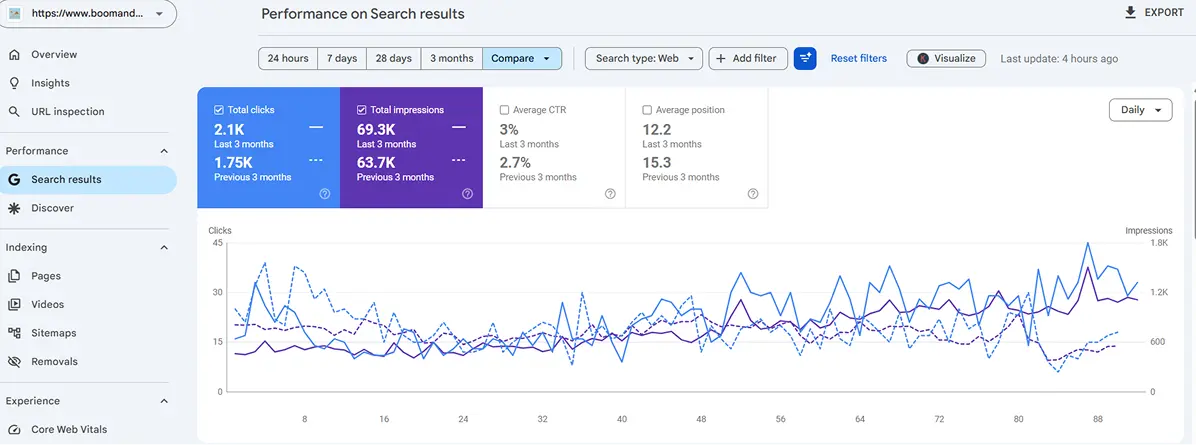
Boom & Mellow SEO Case Study: 20% More Organic Clicks
Boom & Mellow needed to improve organic search visibility and attract more visitors through search while connecting content optimization with measurable e-commerce performance.
The Challenges:
Boom & Mellow needed stronger organic search visibility to help potential customers discover its products and collections.
-
Organic search visibility needed improvement across relevant
product queries.
-
Product and collection pages needed stronger search
performance.
-
Website content needed to better align with customer search
intent.
-
Ongoing performance analysis was needed to identify further
SEO opportunities.

What Quickway delivered:
-
Analysed search queries, impressions, clicks and ranking data.
-
Optimized relevant Shopify collection pages and website
content.
-
Improved internal linking and product discovery pathways.
-
Reviewed technical SEO and structured data opportunities.
-
Monitored organic search performance to guide ongoing
improvements.
How Quickway approached the engagement:
Quickway combined search performance analysis, content optimization, and ongoing reviews to improve organic visibility and clicks. The engagement focused on identifying opportunities across website content and product discovery while tracking changes through reported search metrics.
Measurable Outcomes:
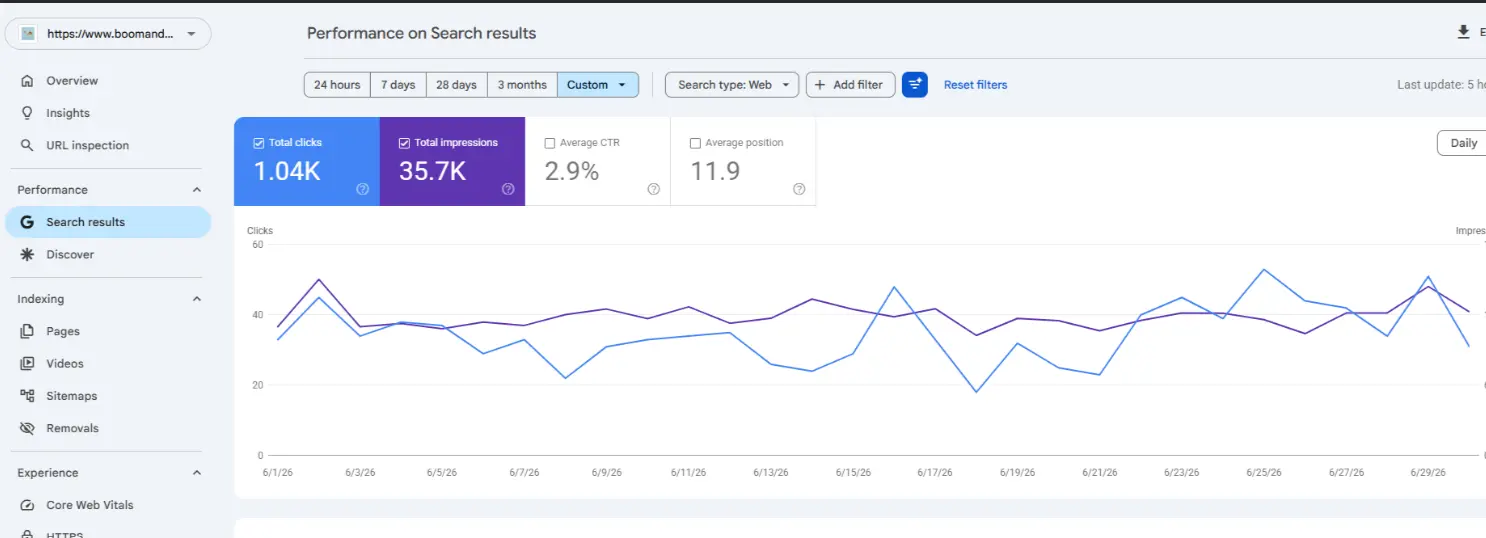
Organic Search Performance

Organic Clicks
Impressions
Click-Through Rate

Average Search Position
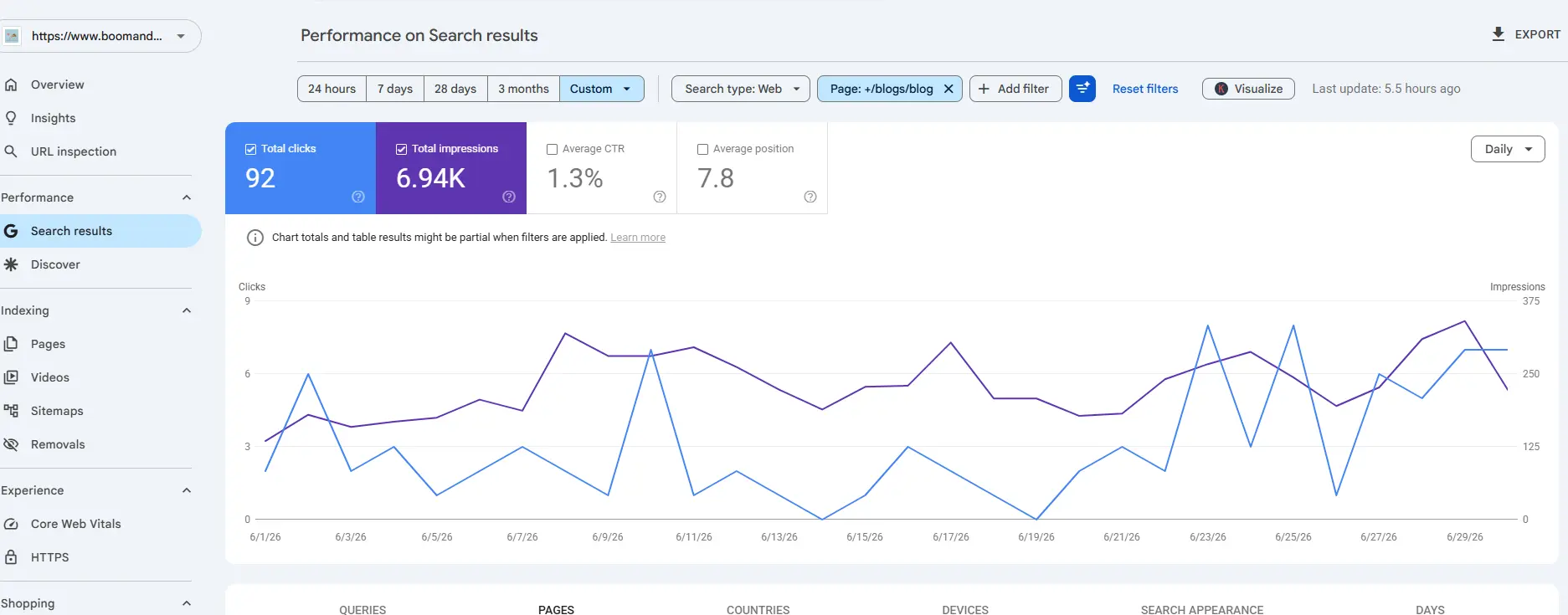
Blog Impressions
AI-Driven Storefront Revenue
Business Impact
The SEO improvements strengthened organic search visibility and click-through performance. AI-powered storefront traffic also generated AED 571.01 in attributed revenue, providing an additional signal of product discovery through AI-driven channels.

Why This Matters for Businesses:
This case study demonstrates how e-commerce SEO can connect content optimization and search visibility with measurable improvements in product discovery and customer acquisition.
What stood out for us was how Quickway Infosystems connected different parts of our online store instead of treating them separately. We saw stronger visibility across our content and product collections, while their focus on AI-powered discovery also opened up a new way for customers to find our products. The approach gave us a clearer path from search visibility to actual product discovery.
Melissa Monte Marketing (Boom & Mellow)Common Challenges Businesses Faces with SEO
SEO programs can lose momentum when teams work without a clear plan, measure the wrong outcomes, or make changes without understanding their effect on the website.

Targeting Keywords Without Understanding Intent
High search volume does not automatically mean a keyword is valuable. Pages need to match what users are trying to find.

How We Address It: We map search intent to page purpose and prioritize queries relevant to your products, services, and audience.

Publishing Content Without a Clear Plan
Publishing frequently without topic research can lead to repetitive content and gaps in important subject areas.
How We Address It: We create content plans based on search demand, audience questions, existing coverage, and business relevance.

Ignoring Technical SEO Ranking Factors
Indexing issues, redirect errors, duplicate URLs, and poor internal linking can limit the value of otherwise useful pages.
How We Address It: We assess technical health and document fixes for the issues affecting important pages.

Expecting Quick and Immediate Results
SEO often requires time for implementation, crawling, indexing, and changes in search performance to become visible.
How We Address It: We define realistic milestones, track leading indicators, and review progress against the website's baseline.

Measuring Traffic Without Business Context
Traffic growth alone does not show whether SEO is reaching the right audience or supporting business goals.
How We Address It: We review landing pages, engagement, enquiries, sales, and other relevant conversion measures where tracking is available.

Building Backlinks Without a Clear Strategy
Irrelevant or spammy backlinks can weaken link quality and limit a website’s ability to compete in search results.
How We Address It: We audit backlinks, flag harmful links, and identify relevant link-building opportunities to improve link quality.
SEO Services vs. In-House SEO vs. Freelance Consultant
The right SEO model depends on your internal resources, technical requirements, publishing needs, and reporting expectations.
Team structure
Service coverage
Implementation
Capacity
Reporting
Flexibility
Best suited for
In-House SEO Team
Built around internal hiring
Depends on internal skills
Internal teams manage execution
Depends on team size and workload
Managed internally
Changes may require new resources
Businesses with sustained internal demand
Quickway Infosystems
Access to agreed SEO and content capabilities
Can combine technical, content, and strategic SEO
Agreed tasks can include implementation support
Engagement can be scoped to project needs
Defined reporting and review cadence
Scope can be adjusted by agreement
Businesses needing coordinated SEO support
Freelance Consultant
Depends on the consultant's scope
Depends on individual expertise
Often advisory or limited to agreed tasks
Depends on availability
Depends on the engagement
Depends on availability and contract
Businesses needing focused expertise
Who Uses SEO Services
SEO can support businesses at different stages, from improving an existing website to entering a new market. The priorities differ by business model, audience, and website structure.


B2B companies
Improve service pages, explain solutions, and support research-led buying journeys.


Local businesses
Strengthen local listings and visibility for relevant location-based searches.

Professional service firm
Improve pages that explain services, expertise, and client needs.

Established enterprises
Review large websites, address technical issues, and coordinate SEO across sections.

Growing brands
Expand topic coverage and identify opportunities in new product or service areas.
The Quickway SCALE™ SEO Growth Framework
The Quickway SEO Growth Framework connects assessment, planning, execution, and review. It gives each stage a clear purpose while allowing the work to reflect your website's needs.
Study Your Current Performance
Review the website, search data, technical condition, existing content, and business objectives to establish a baseline.
Connect Keywords With Search Intent
Identify relevant queries and map them to the pages that best meet the audience's needs.
Address Technical and Content Gaps
Prioritize issues affecting crawling, indexing, page relevance, site structure, and content usefulness.
Launch the SEO Roadmap
Implement agreed changes across technical SEO, on-page optimization, content, and local or e-commerce SEO where relevant.
Evaluate and Improve
Review performance, document progress, and use the findings to guide the next set of improvements.
Built for Measurable SEO Delivery
SEO recommendations need clear ownership, defined deliverables, and a consistent review process. Quickway Infosystems structures engagements around practical actions and relevant performance measures.
-
Initial website and performance assessment
-
Agreed SEO goals and baseline metrics
-
Keyword and search intent mapping
-
Technical and content recommendations
-
Defined implementation responsibilities
-
Regular progress reviews
-
Reporting against agreed metrics
-
Documented next steps & opportunities
Engagement Models Built Around Your Needs
SEO requirements vary by website size, current performance, technical complexity, and internal capacity. Quickway Infosystems can scope an engagement around the work required and the level of ongoing support needed.
| Model | Best For |
| SEO Audit Project | Businesses that need a clear view of current issues |
| Monthly SEO Support | Businesses requiring ongoing optimization |
| SEO Content Program | Businesses with content gaps or publishing needs |
| Local SEO Support | Businesses serving specific areas |
| E-commerce SEO Support | Online stores with product and category pages |
| SEO Strategy Consulting | Teams that need direction or specialist input |

SEO Audit Project

A focused assessment for businesses that need to understand technical issues, content gaps, and search opportunities before committing to ongoing work.

Monthly SEO Support
Continued SEO work based on an agreed roadmap, with regular reviews and reporting to guide the next set of actions.

SEO Content Program
A structured approach to keyword research, content briefs, page optimization, and content creation based on business and audience needs.

Local SEO Support
Support for businesses that depend on location-based discovery, including local listing reviews, location page recommendations, and performance tracking.

E-commerce SEO Support
SEO work for online stores that need to improve product discovery, category page relevance, and catalog structure.

SEO Strategy Consulting
Strategic guidance for internal teams that need help with research, planning, prioritization, or reviewing existing SEO activity.
Technologies Supporting SEO Services
This section outlines the core technology environments Quickway Infosystems uses to support SEO, analytics, website optimization, and search performance.
Search Performance & Analytics
Website & Content Systems
On-Page & Content Optimization
Local SEO & Business Visibility
Industries We Serve
SEO requirements vary by audience, buying cycle, competition, and website structure. Our approach adapts to the search needs of each business and industry.

Technology and SaaS
Service pages, solution content, product education, and topic coverage.

Healthcare
Clear service information, useful patient resources, and appropriate local visibility.

Education & EdTech
Course pages, program information, and content addressing learner questions.

Retail and E-commerce
Product pages, category structure, and catalog optimization.

Professional Services
Service page relevance, local discovery, and informative content.

Travel and Hospitality
Destination content, property pages, local visibility, and booking-related discovery.

Finance and Legal Services
Clear service explanations, relevant educational content, and technically sound websites.

Manufacturing and B2B
Product and solution pages that support detailed research and longer buying cycles.

Real Estate
Property listings, neighborhood pages, and content supporting research and enquiries.
Our SEO Commitment
Quickway Infosystems focuses on clear scope, practical recommendations, and reporting that helps your team understand the work being completed.
-
Clear deliverables: Know what is included in the engagement and what remains outside its scope.
-
Evidence-led recommendations: Base decisions on website data, search intent, and identified issues.
-
Realistic expectations: SEO and AI search results depend on several factors, so we do not guarantee specific rankings or AI citations.
-
Transparent reporting: Review completed work, performance changes, and recommended next steps.
-
Business relevance: Connect SEO activity with the goals and audiences that matter to your organization.
-
Ongoing improvement: Use performance reviews to adjust priorities as needs change.

Ready to Improve Your Organic Search Performance?
Identify the issues limiting your search visibility and build a plan around the opportunities most relevant to your business.
Quickway Infosystems can help you assess technical SEO, review content gaps, map search intent, and define the next steps for your website.
Common Mistakes in SEO Partnerships
Choosing an SEO partner without reviewing the scope, reporting process, and implementation responsibilities can lead to unclear expectations. These mistakes are worth addressing before work begins.

Choosing Providers on Price Alone
Low-cost packages may exclude technical implementation, content work, or meaningful reporting.
What to Check: Confirm the deliverables, exclusions, team responsibilities, and expected review cadence before agreeing to a package.

Expecting Guaranteed Rankings
Search rankings depend on competition, search engine changes, website conditions, and many other factors.
What to Check: Look for a clear strategy, realistic milestones, and reporting tied to agreed metrics rather than guaranteed positions.

Overlooking Technical Setup
An audit has limited value if important fixes are never completed or responsibilities remain unclear.
What to Check: Establish who will implement changes, who will approve them, and how completion will be verified.

Overemphasis on Keywords
Keyword positions and traffic do not always reflect the quality of visitors or the value of their actions.
What to Check: Agree on relevant measures such as qualified visits, enquiries, sales, and conversion activity where tracking permits.

Publishing Content Without Review
Content that does not meet audience needs or accurately represent the business can weaken trust and waste resources.
What to Check: Define clear review standards for content accuracy, usefulness, originality, search intent, and brand voice.

Starting Without a Baseline
Without an initial performance record, it becomes difficult to assess progress or understand changes.
What to Check: Document existing search performance, important landing pages, technical issues, and available conversion data.
Frequently Asked Questions
SEO services can include technical audits, keyword research, on-page optimization, content strategy, local SEO, e-commerce SEO, and performance reporting. The exact scope depends on your website and business goals.
Yes. AI search optimization is part of our SEO work, not a separate service. It covers AI crawler access, structured data, answer-first content and consistent brand information across listings.
SEO timelines vary based on website condition, competition, the changes required, and implementation speed. Some technical improvements may be reflected sooner, while broader content and authority improvements can take longer. We establish a baseline and review progress over time.
Yes. Many SEO issues can be addressed through targeted changes to page content, metadata, internal links, technical configuration, and site structure. A rebuild is not automatically necessary. The appropriate approach depends on the website's underlying limitations.
No. Rankings and AI answers depend on factors outside any provider’s control. We focus on sound research, implementation and transparent reporting, including AI referral traffic, rather than guaranteed positions.
An SEO audit may cover crawling and indexation, redirects, canonical tags, site structure, internal links, page performance, metadata, content quality, keyword targeting, and available search data. The scope depends on the website and the engagement.
Yes. The engagement can be structured around your team's existing capabilities. We can provide research, recommendations, content support, technical guidance, or agreed implementation work based on the scope.
Yes. E-commerce SEO can cover product and category pages, catalog structure, duplicate URL issues, internal linking, product content, and structured data recommendations.
Depending on your goals and available tracking, we may review impressions, clicks, search queries, landing page performance, organic sessions, qualified enquiries, sales, and conversion activity. We agree on relevant metrics before reporting begins.
Pricing depends on the website's size, technical complexity, content requirements, competition, and level of ongoing support. A focused audit typically requires a different scope from a long-term SEO program. We assess your requirements before proposing an engagement.
Yes. SEO support can include pre-migration audits, URL mapping, redirect planning, content and metadata checks, launch reviews, and post-launch monitoring. Planning early helps reduce avoidable search visibility issues.
Both options are available depending on the content gaps identified. We can review existing pages, improve content that remains relevant, and recommend new pages where audience needs are not adequately covered.

Start With an SEO Assessment
Understand your website’s current SEO performance and priorities. Quickway Infosystems will assess your requirements and define an initial scope focused on the improvements that matter most.
Your SEO assessment can include:
-
Review of your website and primary business goals
-
Initial analysis of search visibility and important landing
pages
-
Identification of technical and content gaps
-
Discussion of keyword and search intent opportunities
-
Recommended priorities for the next stage of work